Bitcoin Reclaims $80,000 After Midterm Election Dip as Short Squeeze Fuels Rebound

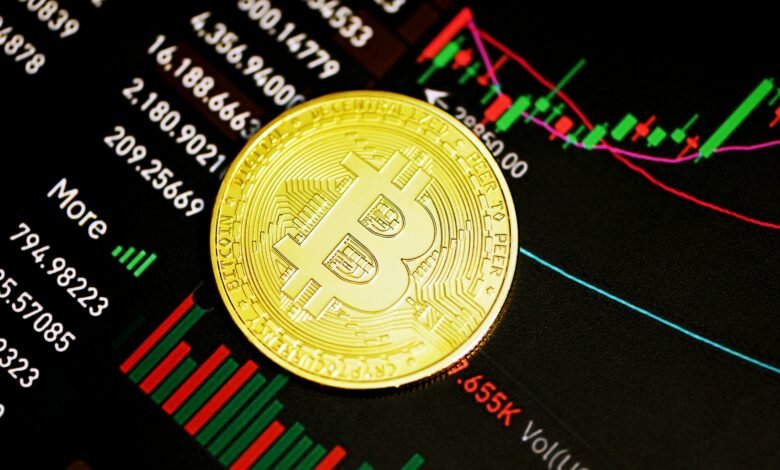
Bitcoin traded above $80,000 on Thursday, 5 November 2026, less than a day after sliding to about $75,700 as results from the United States midterm elections pointed to a Democratic sweep of Congress. The recovery erased the election-night losses and put the world’s largest cryptocurrency back above a level that had capped it for most of the previous two weeks.
Searches for “Bitcoin to Zero” surged as the price fell, but the market data tells a narrower story. Bitcoin dropped sharply on election-night uncertainty, then snapped back as the result became clear. It remains about 36% below its all-time high near $126,080, yet it is nowhere near zero. The move was a swing driven by politics and leveraged trading, not a collapse in the asset itself.
Bitcoin Reclaims $80,000 — Quick Reference Summary
| Item | Detail |
|---|---|
| Price on 5 November 2026 | About $80,500 (Finnhub: $80,584.68 at time of writing) |
| Election-night low | About $75,700 early Wednesday, 4 November 2026 |
| 24-hour change | Up about 5.7% (CoinDesk, Asian morning 5 November) |
| Swing from low to high | About 7.3% in roughly 12 hours |
| Distance from all-time high | About 36% below $126,080 |
| Leveraged liquidations in 24 hours | About $950 million; about $560 million of it short positions |
| Bitcoin liquidations | About $403 million, 76% of it shorts |
| Total crypto market value | About $2.7 trillion, up 3.85% in 24 hours |
| Ether | Up 6.29% to $2,428 |
| Fear and Greed Index | 26, the first reading that low in three months |
From $75,700 to $80,000 in Twelve Hours
Bitcoin fell just below $76,000 early on Wednesday, 4 November, as reports showed Democrats winning control of both chambers of Congress. The low came in the 10 p.m. ET hour on Tuesday, as results confirmed the sweep. By the 10 a.m. hour on Wednesday the price had reached its high, a swing of about 7.3% from bottom to top in roughly 12 hours.
CoinDesk reported that Bitcoin was trading at about $80,484 during Asian morning hours on Thursday, 5 November, up 5.7% over 24 hours. Finnhub market data put the price at $80,584.68 at the time of writing, up 2.91% on the day. The $80,000 level had held Bitcoin back for most of the previous two weeks, with sellers turning the price away near $80,500 several times before the vote.
TDX Strategies founder Dick Lo told CoinDesk that the pattern was straightforward. “Bitcoin dropped initially in response to the Democratic sweep of the midterm elections, but has since recovered as a clear outcome resolves political uncertainty,” he said. Once the result was known, traders stopped pricing in the unknown and started buying again.
The Short Squeeze Behind the Snap-Back
A large part of the rebound came from forced buying rather than fresh conviction. About $950 million in leveraged crypto positions were liquidated over 24 hours, according to CoinGlass data, and bets against prices made up about $560 million of that total. Bitcoin alone accounted for about $403 million in liquidations, with 76% of it short positions.
When a short position is liquidated, the exchange closes it by buying the asset, which pushes the price higher and can trigger the next liquidation. Traders also bought about $230 million worth of bitcoin call options, betting on a rebound after the election result. That cluster of forced buying just above $80,000 helped the price break through a ceiling that had held for two weeks.
CryptoQuant chief executive Ki Young Ju wrote on X on Wednesday afternoon that $215 million in bitcoin shorts were liquidated in a single hour. CoinShares head of research James Butterfill said the sweep was largely priced into bitcoin before the vote, leaving room for a relief rally once the uncertainty cleared.
What the Democratic Sweep Means for Crypto in Washington
The political backdrop is less friendly for the crypto industry than it was before the vote. Reuters reported that the industry spent roughly $200 million on this election cycle, and some of its most expensive targets did not go its way. In Ohio, Democrat and crypto sceptic Sherrod Brown won his race to return to the Senate, despite crypto political action committees spending more than $60 million to defeat him.
The Senate voted in September against advancing the CLARITY Act, the major crypto market-structure bill, after opposition from Democrats. With Democrats taking Congress, the industry now faces oversight and potential investigations, particularly over its ties to President Donald Trump. TD Cowen analyst Jaret Seiberg wrote that the sweep makes a crypto-backed CLARITY Act “impossible”, and the committees that oversee crypto pass to Democrats in January. The new Democratic majorities take office on 3 January.
That political overhang is one reason the recovery may prove fragile. The industry spent roughly half a billion dollars over the past two election cycles building a bipartisan coalition in Congress, and that coalition now has to be rebuilt under Democratic committee chairs. Traders bought the relief rally, but the regulatory fight has only moved to a new arena. Readers can follow the election outcome itself in our report on the Democrats winning both chambers of Congress.
Wider Markets Join the Relief Rally
Bitcoin did not recover alone. United States stocks rallied on Wednesday as the election result settled, with the Dow Jones Industrial Average rising about 3%, or about 1,500 points, the S&P 500 climbing 1.7% and the Nasdaq Composite gaining 1.8%. The broader rebound supports the view that the sell-off was driven by election uncertainty rather than a crypto-specific problem.
Oil moved sharply in the other direction. Brent crude fell more than 9% to $93.91 a barrel and West Texas Intermediate dropped nearly 9% to $87.59, after Vice President JD Vance blamed the Republican losses on the Iran war. The United States dollar index fell 0.55% to 101.32 in early trading, its lowest since 1 October.
Jeff Mei, chief operating officer at crypto exchange BTSE, told CoinDesk that the two moves were linked. “Bitcoin has rebounded in line with stocks as the market believes that the Iran conflict and high oil prices are more likely to come to an end,” he said. Zcash led gains among major cryptocurrencies, rising 11.7% to about $1,318 ahead of a network upgrade expected to shorten transaction confirmation times.
What Traders Are Watching Next
The test now is whether the rally holds once the short squeeze fades. Glassnode said in its Week on Chain report that the bitcoin price is testing levels it broke above in August, with the True Market Mean at $77,700 and the short-term holder cost basis at $75,700. If buyers step back, those levels are the first supports traders will watch.
The Fear and Greed Index dropped to 26, its first reading that low in three months, which shows retail sentiment turned bearish even as the price recovered. Bitcoin Magazine reported that the test now is whether ETF buyers return to carry the price once the shorts are gone. The October jobs report lands on Friday, October CPI follows on 10 November and the Federal Reserve’s next decision comes on 9 December.
The Binance security incident a week earlier is a reminder that crypto-specific shocks can still hit without warning. Binance froze about $3 billion in assets and halted deposits and withdrawals after a suspected security issue on 29 October, and Bitcoin fell about 5% to below $77,000 in that sell-off. This week’s move, by contrast, was driven by politics and positioning, and the market’s next move depends on whether real buyers follow the shorts out.
Frequently Asked Questions
Why did Bitcoin fall on election night?
Bitcoin fell to about $75,700 as results showed Democrats winning both chambers of Congress, a setback for pro-crypto President Donald Trump. Traders feared the sweep would stall crypto-friendly legislation and bring stricter regulatory oversight.
How far did Bitcoin rebound?
Bitcoin recovered above $80,000 within about 12 hours, a swing of about 7.3% from its low. It traded at about $80,484 on Thursday morning, 5 November, up 5.7% over 24 hours, according to CoinDesk.
Is Bitcoin going to zero?
No. Searches for “Bitcoin to Zero” surged on fear, but the price is about $80,500, with a market value of about $1.61 trillion. Bitcoin is about 36% below its all-time high near $126,080, which is a deep correction, not a collapse to zero.
What is a short squeeze?
A short squeeze happens when traders who bet on prices falling are forced to buy back the asset as it rises. About $950 million in leveraged crypto positions were liquidated in 24 hours, with $560 million of it shorts, and each forced closure acted as a buy order that pushed the price higher.
What happens to crypto regulation now?
The CLARITY Act, the main crypto market-structure bill, was blocked in the Senate in September. With Democrats taking Congress, analysts say a crypto-backed version is now unlikely, and the committees overseeing crypto pass to Democrats in January.
What should traders watch next?
The October jobs report on Friday, October CPI on 10 November and the Federal Reserve decision on 9 December are the next big events. Traders are also watching whether ETF buyers return once the short squeeze has run its course.